

Michael Rosen is an English author, poet, and performer who has written over 200 books for children and adults. He is famous for his funny rhymes, silly sounds, and lively performances. He often writes about his own life and childhood experiences, which makes his stories very relatable.
Some of his most famous books include “We’re Going on a Bear Hunt,” “Chocolate Cake,” and “Little Rabbit Foo Foo.” He was also the UK’s Children’s Laureate from 2007 to 2009, a special job where he helped to promote reading and storytelling in schools.
He is well known for performing his work in a very energetic way, using his voice and body to bring the poems and stories to life. Michael Rosen is a great inspiration to us in Year 2!
Michael Rosen class consistently reflect on the IB Learner attributes in class and the children demonstrate them in various ways both in class and throughout the school:
- Principled: I make the right choices. I follow the rules and expectations.
- Balanced: I see both points of view. I take care of myself.
- Thinker: I can find solutions to problems. I think before I act.
- Inquirer: I want to find out more.
- Communicator: I listen to others ideas. I can share my views and express my ideas.
- Open-minded: I respect other’s ideas, suggestions and criticism.
- Knowledgeable: I learn and share what I have learnt with others.
- Caring: I am a good friend. I care for others.
- Risk-taker: I always try new things so that I know how things are done.
- Reflective: I think back to what I have done well. I try to understand my mistakes.
Our transdisciplinary themes for this year
During the year we will cover the following transdisciplinary themes:
- Who are we
- Sharing the planet
- How the world works
- How we organise ourselves
- Where we are in place and time
- How we express ourselves
Phonics
Year 2 will continue to follow the programme Phonics International but will be focusing on spelling rules and applying the phonics they already know. We will focus on one sound a week but each day look at different ways this can be spelt in words. We will incorporate a range of skills such as reading and comprehension, handwriting and story writing through our phonics. Once we have completed the Phonics International programme, we will move onto Spelling Shed where more information will be shared nearer the time.
A couple of useful links for phonics practice at home are:
Reading
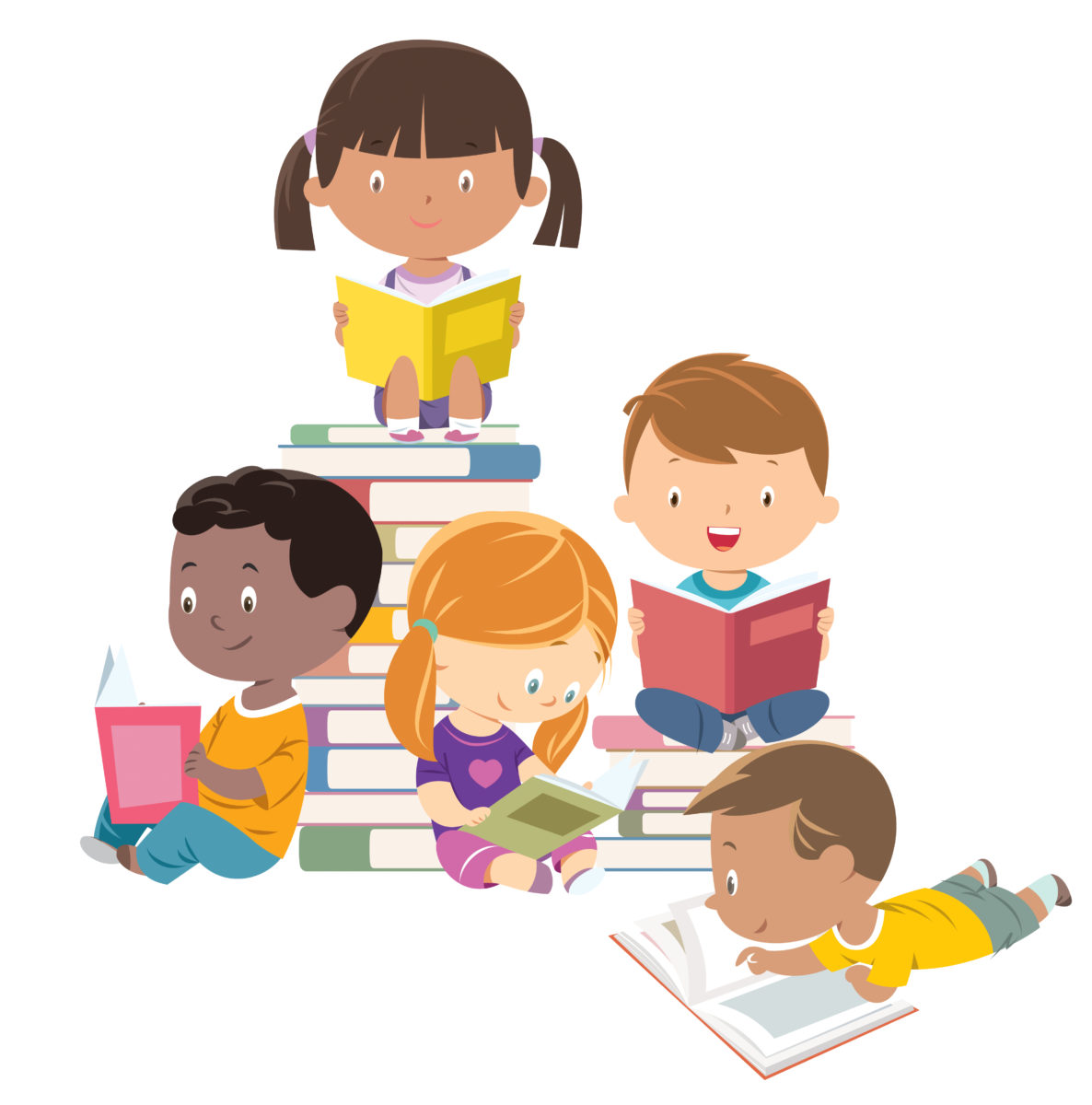
The children will have the opportunity to change their reading books every day at school. Children are expected to read daily at home and this is to be recorded in their reading record book.
Please find below some useful information by Phonics International regarding reading with your child both in school and at home:
Reading with your child - in school and at home
In school, reading written words (decoding) is taught by phonics. Phonics is how the sounds in spoken words link to letters in written words. Children are taught to sound out and blend the sounds to read new words.
Children talk about the books they read. They think about what is happening and ask what new words mean.
Learn: Children read aloud to the teacher. The words, sentences and books have the letter-sounds they are working on in class.
Children practise by reading aloud. This helps to improve their reading so they feel more confident.
Listen to your child read aloud. For new words, your child will look at the letters and letter groups. They will then sound them out from left to right to read the words. Help your child if needed.
Talk with your child about the content of the books. Talk about what is happening and what any new words mean.
Practice: Children read aloud to a parent/carer. The words in the book have the letter/s and sounds already introduced in class.
Children enjoy listening to books that they might not be able to read by themselves yet. Reading books aloud to children helps them to learn about themselves and other people. They can step into a world that is different from their own.
Read lots of different types of books to your child. You can borrow books from your local library. Talk about the books you share.
Experience: Children hear lots of different stories (fiction) and poems, and also enjoy books with facts (non-fiction).
Children learn about the world around them from books and other texts. Books reach children about different subjects such as history or science. Books help children to find out about the world around them.
Teachers share books and texts that are right for the child’s age or level of understanding.
Knowledge: Children find out facts and information even if they are not able to read the books themselves yet.
Homework
We would like you to use Numbots for your maths home learning. This will help your child to improve their knowledge of number bonds.
Reading
Please read 3 times a week as a part of your home learning and sign your Reading Records.
PE
PE for our class is on Wednesday and Friday. Children are asked to come into school wearing their PE kit and remove all jewellery.
Knowledge Organisers
who we are
Central Idea:
Choices affect wellbeing.
Sustainable Development Goal:
Good health and Well being.
LOI 1:
Responsibilities contribute to the well being of communities.
LOI 2:
What it means to be human.
LOI 3:
Significant individuals impact healthcare.
Core Texts:
- Cottonwool Colin
- Little Books, Big Dreams: Florence Nightingale
English Writing:
- Narrative
- Descriptive instructions
- Writing our own story
Maths:
- Place value
- Addition
- Subtraction
Science:
- Animals including humans
History:
- Hospitals and Healthcare
Geography:
- Exploring the seven continents and five oceans and locating them on a map
PSHE:
- Families and friendships
- Safe relationships
RE:
- Who is Jewish and what do they believe?
Art/DT:
- Drawing.
- Experimenting with materials.
Computing:
- Computing systems
- networks – IT around us
Music:
- Tony Chestnut,
- Carnival of the Animals
- Composing Music inspired by birdsong
PE:
- Mr Candy’s sweet factory (Dance)
- Tri-golf
Sharing the Planet
Central Idea:
Choices that humans make may impact communities.
Sustainable Development Goal:
Clean water and Sanitation
LOI 1:
What we need for survival
LOI 2:
Changes within communities
LOI 3:
How environment impacts living things
Core Texts:
- Grace Darling
English Writing:
- A description about our secret sky garden.
-
What if everybody did that?
Maths:
-
Addition and Subtraction
-
Geometry – Shape
Science:
- Animals including humans
History:
- Explorers – Grace Darling
Geography:
- Characteristics of the United Kingdom.
PSHE:
- Respecting ourselves and Belonging to a community
RE:
- Similarities and Differences of special places.
Art/DT:
- Textiles – flowers inspired by the Secret Garden.
Computing:
- Creating Media – Digital Photography.
Music:
- Music Teacher – percussion instruments.
PE:
- Gymnastics and Dance.